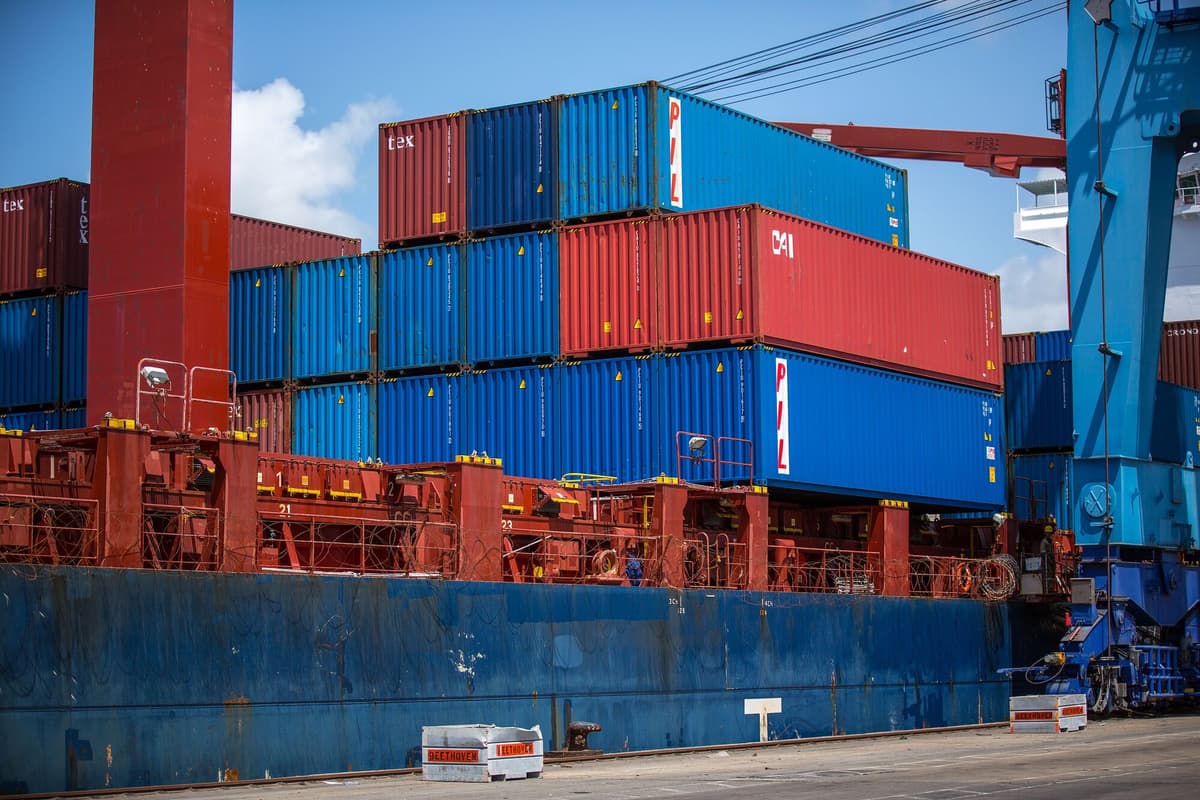
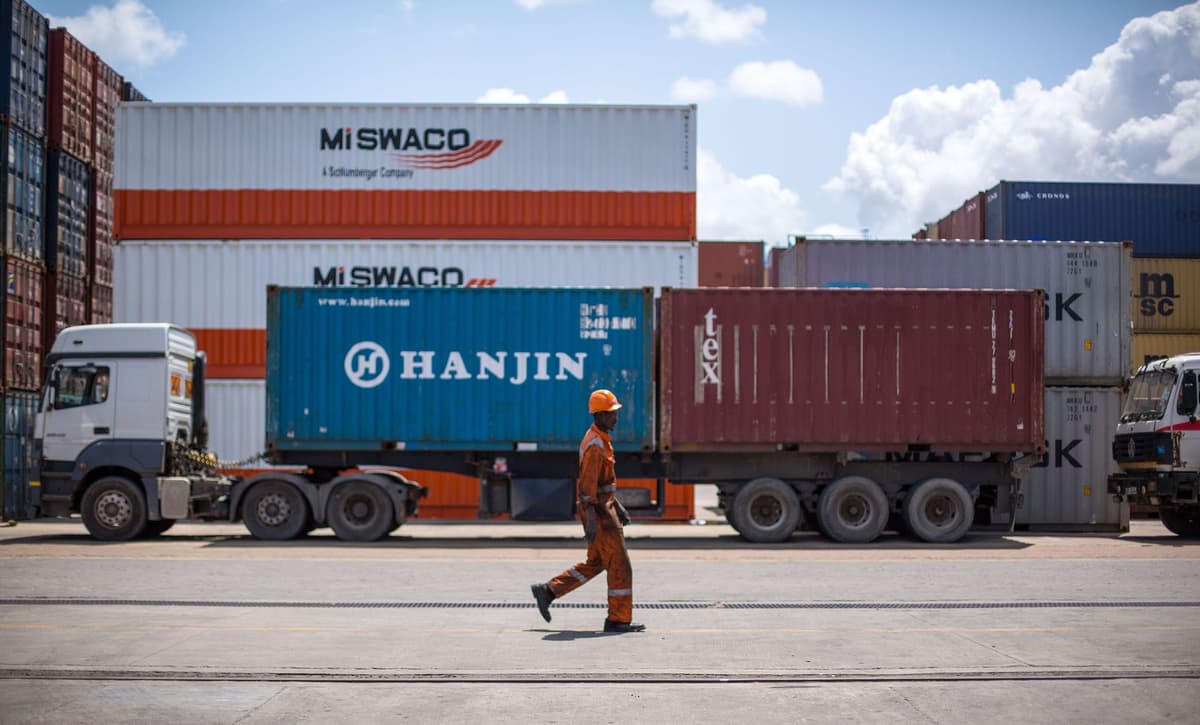
Shipping containers are tough, secure and easy to move, which is why Kenyans use them as shops, stores, site offices and farm stores. Choosing one comes down to three questions: what size, new or used, and where will it sit.
Which size?
- 20ft container: about 6 metres long, with roughly 33 cubic metres inside. It fits in a small compound and is the usual choice for a shop, a store or a site office.
- 40ft container: about 12 metres long, with roughly 67 cubic metres inside. It suits bulk storage, or two rooms in one.
- High cube: a 40ft container that is about 30 cm taller. The extra height is useful for tall stock or for fitting out a comfortable office.
These are standard sizes, so the numbers are approximate. Measure the space for the container, and the road in, before you buy.
New or used?
New, often called "one-trip", means the container has made a single voyage from the factory. It is close to perfect: straight walls, clean paint, a sound floor. It costs more.
Used containers have been in service for years. They are cheaper, and a good one is perfectly fine for storage. They will show dents and surface rust. What matters is whether the container is wind and watertight and structurally sound.
As a rule: buy new if the container will be a shop or an office that customers see, or if you plan to cut doors and windows. Buy used for plain storage.
What to check before you pay
- Roof. Look for dents where water can pool, and for rust that has gone through.
- Floor. The floor is plywood. It should be dry, solid and free of soft spots.
- Doors. Both doors should open and close smoothly, the locking bars should turn, and the rubber seals should be intact.
- Light test. Step inside and close the doors. If you can see daylight, water will get in.
- Corners and walls. Heavy rust or cracked welds around the corner posts are a warning.
- Smell. A chemical smell can mean the container carried something you do not want to store food or clothes in.
Ask to see the exact container, or photos of it, rather than a picture from a catalogue.
What you need on site
- A firm, level spot. Concrete blocks or a compacted base under the corners keep the doors working and the floor dry.
- Room for the truck. A 40ft container needs a wider turning space than a 20ft. Send us photos or a location pin and we will tell you whether it can reach.
- A plan for offloading. Tell us how the container will come off the truck, because that decides the kind of truck we send.
- Permission, if you need it. If the container will be a shop or an office, check whether your landlord or county requires approval.
Getting a price
The price depends on the size, the condition, what is in stock, and the distance to your site. Tell us the size you want, new or used, what it is for, and where it is going, and we will quote the container and the delivery together.